
The landscape of intellectual property in Europe has undergone its most significant transformation in decades. For innovative companies, navigating this new terrain is not just an option but a critical necessity for survival and growth. At the heart of this monumental shift are the Unified Patent Court (UPC) and the unitary patent system. Their introduction has fundamentally reshaped how patents are granted, enforced, and challenged across numerous EU member states. Therefore, developing robust Unified Patent Court and unitary patent strategies has become a paramount concern for businesses looking to safeguard their technological assets.
This new framework presents a dual-edged sword. On one hand, it offers remarkable opportunities, such as streamlined, pan-European patent enforcement through a single court action. This efficiency can save considerable time and resources. On the other hand, it introduces substantial risks. A single successful revocation action before the UPC can nullify patent protection across all participating countries simultaneously. Consequently, businesses must now strategically evaluate their approach, balancing the benefits of administrative simplicity against the dangers of a centralized vulnerability. This article explores the essential strategies for navigating this complex environment, from making critical opt-out decisions to managing the intricacies of cross-border litigation.
Navigating the New Framework: Unified Patent Court and Unitary Patent Strategies
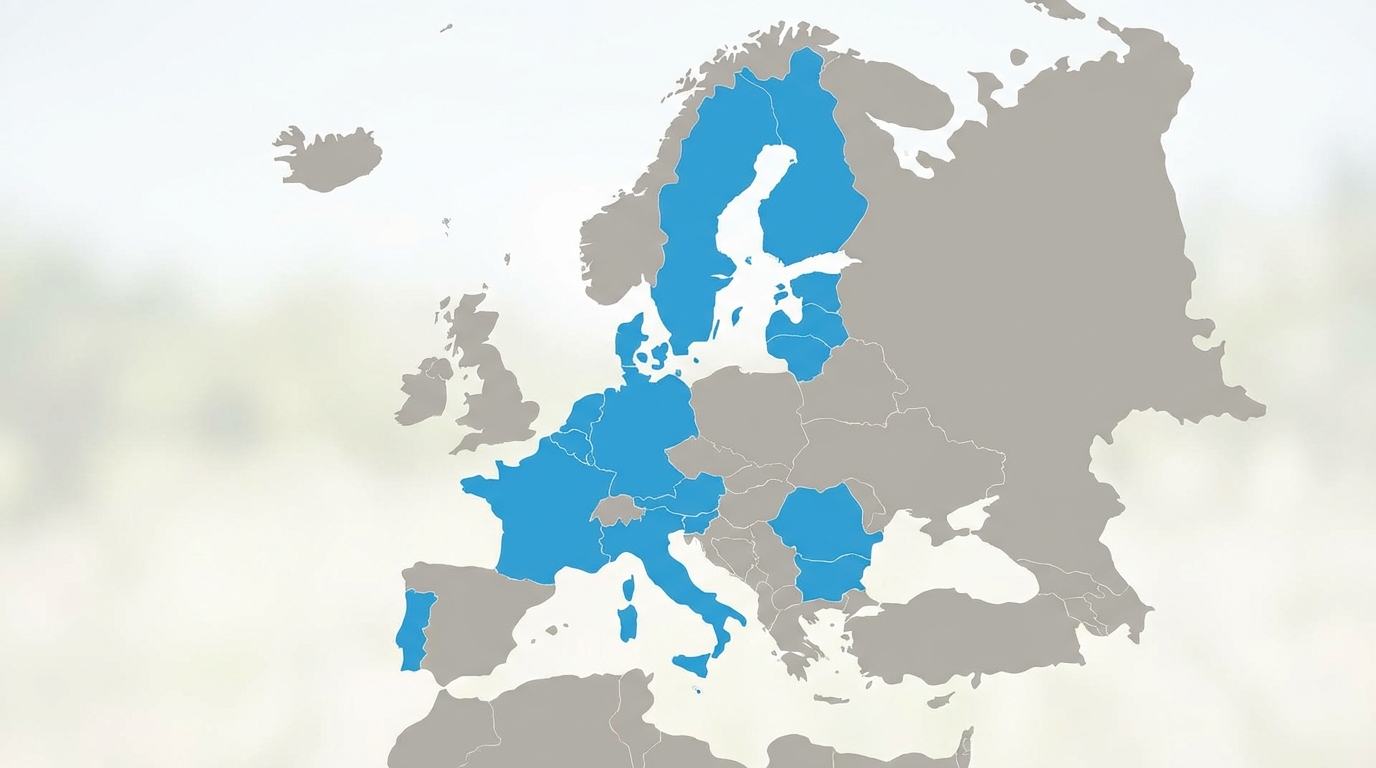
The Unified Patent Court (UPC) represents a fundamental restructuring of patent litigation in Europe. It is an international court established by participating EU Member States to handle disputes related to both traditional European patents and the new unitary patents. Its creation addresses the long-standing challenge of fragmented enforcement, where patent holders previously had to initiate separate legal actions in each country. Effective Unified Patent Court and unitary patent strategies are therefore built on a clear understanding of how this court operates in tandem with the unitary patent system. The unitary patent itself provides uniform protection across all participating member states through a single registration, streamlining administration significantly.
For innovators and patent owners, this new system is pivotal. It centralizes both the opportunities for broad enforcement and the risks of widespread invalidation. Key benefits and considerations include:
- Centralized Enforcement: A single ruling from the UPC can apply across all participating countries. This makes it possible to obtain a pan-European injunction or damages award far more efficiently than before.
- Cost and Time Efficiency: Litigating in one court instead of many can lead to substantial savings in legal fees, translation costs, and administrative effort.
- Central Revocation Risk: Conversely, the UPC can revoke a patent with effect across all member states in a single action. This concentrates risk, as a single negative outcome means a total loss of protection.
- Strategic Opt-Out Decisions: During a transitional period, owners of existing European patents can choose to “opt-out” of the UPC’s jurisdiction, keeping their patents under the authority of national courts. This decision is a critical component of any risk management strategy.
Comparing Patent Protection Strategies in Europe
Choosing the right patent protection is a crucial strategic decision. The introduction of the Unified Patent Court and the unitary patent has added a powerful new option alongside traditional national patents and European patents. Each path offers distinct advantages and disadvantages related to cost, geographic scope, and enforcement. The table below provides a comparative overview to help clarify these choices, forming a key part of effective Unified Patent Court and unitary patent strategies.
| Feature | National Patent | European Patent (Validated) | Unitary Patent (UPC System) |
|---|---|---|---|
| Cost Structure | Lower initial cost for one country. Becomes expensive if filing in many individual countries. | High examination fee plus significant costs for validation, translations, and renewal fees in each selected country. | Single examination fee and one annual renewal fee. Generally more cost-effective if protection is needed in four or more participating states. |
| Geographic Coverage | Protection is limited to the territory of the single country where it is granted. | Flexible coverage. Applicants can select specific European Patent Convention (EPC) member states, including non-UPC participants like the UK or Spain. | Uniform protection across all EU member states that have ratified the UPC Agreement at the time the patent is granted. |
| Enforcement | Litigation must be conducted separately in the national court of each country. | Enforced through national courts in each validated country, leading to multiple parallel lawsuits. Can be opted into the UPC. | Centralized enforcement through a single action in the Unified Patent Court (UPC), with rulings effective across all participating countries. |
| Typical Use Case | Best for businesses with a primary market in only one or two specific countries. | Ideal for companies targeting a select number of key European markets or seeking to include non-UPC countries in their portfolio. | Suited for innovators who require broad, consistent protection across the majority of the EU market and prefer streamlined administration. |
Early Court Decisions and Their Strategic Impact
Since its inception in June 2023, the Unified Patent Court’s early decisions have provided critical insights, actively shaping Unified Patent Court and unitary patent strategies. These initial rulings demonstrate the court’s potent enforcement capabilities alongside its rigorous standards for patent validity. A landmark example is the series of disputes between 10x Genomics and NanoString Technologies. Initially, the UPC’s Munich Local Division granted a preliminary injunction that blocked NanoString’s products across all 17 UPC member states, showcasing the court’s power to issue swift, pan-European remedies.
However, this decision was later overturned by the UPC Court of Appeal in February 2024. The appellate body raised serious doubts about the underlying patent’s validity, signaling that defendants have a meaningful opportunity to challenge weak patents even at the preliminary injunction stage. According to legal analysis from Berggren, this reversal underscores the court’s balanced approach, reaffirming that validity is a key consideration from the outset. This high-stakes environment highlights the dual nature of the UPC: a powerful tool for enforcement but also a significant threat to patents of questionable strength. The court’s immediate popularity is undeniable, with over 160 cases filed in its first six months of operation, as reported by the Kluwer Patent Blog. These foundational cases prove that a proactive and well-reasoned strategy is essential for any business operating within the UPC’s jurisdiction.
Conclusion: Strategizing for a New Era of European Patents
The arrival of the Unified Patent Court and the unitary patent system marks a pivotal moment for innovation in Europe. This new framework presents a landscape of both unprecedented opportunity and significant risk. On one hand, it offers a streamlined, cost-effective path to obtaining and enforcing patent rights across a vast economic region with a single action. On the other, it concentrates risk, as a single revocation can nullify protection across all participating member states.
For businesses and innovators, navigating this environment successfully demands more than just a passive approach. It requires the development of sophisticated Unified Patent Court and unitary patent strategies tailored to specific commercial goals and risk tolerance. Decisions regarding opt-outs, portfolio segmentation, and litigation forums are now more critical than ever. Ultimately, a proactive, well-informed strategy is the key to leveraging the immense power of this new system while safeguarding valuable intellectual property from its inherent vulnerabilities.
Frequently Asked Questions (FAQs)
What is the primary advantage of choosing a Unitary Patent?
The main advantage of a Unitary Patent is its efficiency and cost-effectiveness for broad European protection. Instead of validating and maintaining a patent in numerous individual countries, a single registration provides uniform protection across all participating EU member states. This means one renewal fee, one legal framework, and simplified administration. It is particularly beneficial for businesses that require patent coverage in four or more member states, as it significantly reduces both complexity and long-term costs associated with translations and national fees.
What does it mean to “opt-out” of the Unified Patent Court’s jurisdiction?
An “opt-out” is a strategic choice available to owners of existing European patents (not Unitary Patents) during a transitional period. By opting out, the patent owner removes their patent from the jurisdiction of the UPC. Consequently, any future litigation involving that patent must be handled by the traditional national courts of each country where it was validated. This strategy is often used to avoid the risk of a single, centralized revocation action from the UPC that could nullify the patent across all of Europe.
Are all EU countries part of the Unitary Patent and UPC system?
No, not all EU member states participate. As of the system’s launch, 17 countries have ratified the UPC Agreement. Notable EU members such as Spain, Poland, and Croatia are not part of the system. Therefore, if patent protection is required in these non-participating countries, businesses must still use the traditional method of national patents or validate a European patent in those specific jurisdictions. It is crucial to verify the current list of participating countries when developing a protection strategy.
Can decisions from the Unified Patent Court be appealed?
Yes. The Unified Patent Court has a two-tiered structure. Decisions made by the Court of First Instance, which includes the various local, regional, and central divisions, can be appealed. The second instance is the UPC Court of Appeal, located in Luxembourg. This appellate body ensures a consistent application of the law across the entire system and provides a vital mechanism for reviewing and, if necessary, overturning first-instance judgments, adding an important layer of judicial oversight.
How does the UPC handle patent infringement and validity cases?
The UPC is designed to handle both infringement and validity actions in a coordinated manner. An infringement case is typically heard at a local or regional division where the infringement occurred. However, a defendant can file a counterclaim for revocation. The local division then has three options: it can handle both infringement and revocation together, refer the revocation part to the central division and proceed with the infringement case, or stay the infringement case while the central division decides on validity. This structure allows for flexibility while keeping proceedings efficient.
Legal Disclaimer
The information provided here constitutes general and non-binding legal information that makes no claim to be current, complete, or accurate. All non-binding information is provided exclusively as a public and free service and does not establish a client-attorney or consulting relationship.
For further information or specific legal advice, please contact our law firm directly. We therefore assume no guarantee for the topicality, completeness, and correctness of the provided pages and content. Any liability claims relating to damages of a non-material or material nature caused by the publication, use, or non-use of the information presented, or by the publication or use of incorrect or incomplete information, are fundamentally excluded, provided there is no demonstrable willful intent or grossly negligent conduct.
For additional information and contact, please refer to our Legal Notice (Impressum) and Privacy Policy.