
The landscape of European patent protection has undergone its most significant transformation in decades, presenting both immense opportunities and complex challenges for businesses and inventors. At the heart of this change are the Unitary Patent (UP) and the Unified Patent Court (UPC), a system designed to streamline patent enforcement across numerous EU member states. Developing effective strategies for navigating the Unitary Patent and Unified Patent Court is now a crucial requirement for any entity seeking to protect its intellectual property in Europe. This new framework promises a more cost effective and simplified process, replacing the previous need for validating and managing patents on a country by country basis.
A single patent grant and one court can now provide protection and legal recourse across a vast economic zone. However, this centralization also introduces new risks, such as a single revocation action nullifying a patent across all participating countries. This article explores the critical considerations for Austrian and EU rights holders, offering pragmatic advice on how to optimize patent portfolios, manage litigation risks, and leverage the full potential of this groundbreaking system.
Key Strategies for Navigating the Unitary Patent and Unified Patent Court
Effectively using the Unitary Patent (UP) system requires a strategic approach from the outset. Companies must align their patent strategy with commercial goals, carefully balancing the benefits of broad protection against potential risks and costs. Deciding between a Unitary Patent and traditional European patent validations depends on the specific invention and target markets. Therefore, a clear plan is essential to maximize the advantages of the new system.
Here are several fundamental strategies to consider:
- Timely Filing: The request for unitary effect must be filed with the European Patent Office (EPO) within one month of the European patent’s grant date. This strict deadline means strategic decisions must be made early, which is a significant departure from the previous validation system’s timeline.
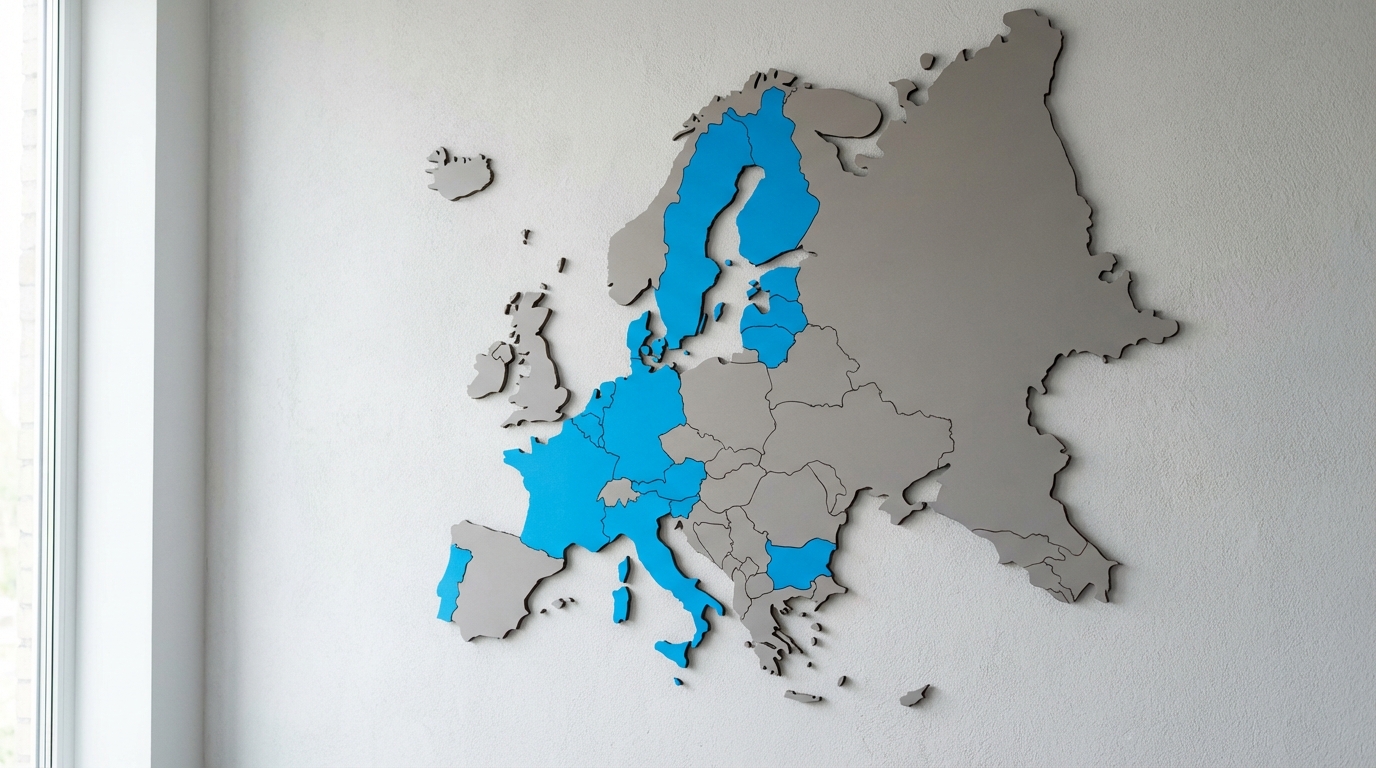
- Territorial Coverage Assessment: A Unitary Patent offers uniform protection across all participating EU member states. It is crucial to determine if this geographic scope matches your key commercial markets. For significant markets outside the system, like Spain or the UK, you will still need separate national patents.
- Cost-Effectiveness Analysis: The UP system is often more economical if you require protection in four or more participating countries. This is because it streamlines translation needs and centralizes renewal fees. Consequently, a thorough cost comparison against traditional validation routes is a critical step.
- Portfolio Segmentation: Not every patent benefits from unitary protection. You should consider segmenting your portfolio by using Unitary Patents for core inventions while retaining national patents for technologies important in specific regions. This approach helps to diversify risk.
The Unified Patent Court in Your Strategy
Integral to any discussion about strategies for navigating the Unitary Patent and Unified Patent Court is a clear understanding of the court itself. The Unified Patent Court (UPC) is an international court established by participating EU Member States to handle patent disputes. Its creation addresses the significant costs and legal uncertainties that arose from pursuing parallel litigation in multiple national courts. Now, a single court decision can have effect across all the territories where the patent is valid.
This centralized system offers substantial benefits. The UPC is designed to deliver faster resolutions, typically aiming for a judgment within one year of a case being filed. This speed allows for quicker enforcement and greater legal certainty. Furthermore, patentees can obtain pan-European injunctions and damages through a single action, which is a powerful tool for protecting intellectual property rights. For businesses, this means a more streamlined and predictable enforcement landscape.
The UPC has exclusive jurisdiction over all Unitary Patents. It also presides over traditional European patents, although a transitional period allows rights holders to “opt out” and continue using national courts. This opt-out decision is a critical strategic choice that requires careful consideration of portfolio strength and litigation risk.
| Feature | Unitary Patent | Traditional National Patents |
|---|---|---|
| Territorial Coverage | Uniform protection across all participating EU member states. | Protection is limited to the specific country of validation. |
| Cost Structure | A single renewal fee to the EPO. Generally more cost-effective if protection is needed in four or more states. | Separate renewal fees are due for each country, which can lead to higher cumulative costs. |
| Enforcement | Centralized enforcement through the Unified Patent Court (UPC), with a single injunction covering all member states. | Litigation must be conducted separately in each country, leading to parallel court cases and potentially conflicting outcomes. |
| Legal Procedures | Streamlined process with a single request for unitary effect after the European patent is granted. | Requires individual validation in each target country, often involving translations and local patent attorney fees. |
In conclusion, the arrival of the Unitary Patent and Unified Patent Court marks a pivotal moment for intellectual property protection in Europe. This system offers unprecedented opportunities for streamlined, cost effective, and widespread patent enforcement across the continent. However, the powerful benefits of centralization are balanced by the significant risk of a single revocation action that can nullify protection in multiple jurisdictions at once.
Successfully developing strategies for navigating the Unitary Patent and Unified Patent Court is therefore not a matter of chance but of deliberate, forward thinking planning. Whether to embrace the unitary system, opt out with traditional European patents, or create a hybrid portfolio depends on your unique commercial goals and risk tolerance. By carefully weighing the advantages of broad coverage against the potential for centralized challenges, businesses can forge a path that truly serves their innovations. Engaging with legal professionals to create a tailored strategy remains the most effective way to secure and leverage your intellectual property in this new landscape.
Frequently Asked Questions (FAQs)
What is the difference between a Unitary Patent and a European Patent?
A European Patent must be validated in individual countries to become enforceable there. In contrast, a Unitary Patent provides uniform protection across all participating EU member states through a single registration, eliminating the need for separate national validations.
Which countries does the Unitary Patent cover?
The Unitary Patent covers the 17 EU states that have ratified the UPC Agreement, including major economies like Germany, France, and Italy. This list is expected to grow. It does not include non-participating EU countries such as Spain or non-EU members like the United Kingdom.
What is the main risk of the Unified Patent Court?
The primary risk is central revocation. A single court action can invalidate a patent across all member countries at once. This concentrates risk compared to the traditional system, where challenges must be filed in each country’s national court.
Can I opt out of the Unified Patent Court’s jurisdiction?
For traditional European patents, you can file an “opt-out” during a transitional period, keeping litigation at the national level. However, this option is not available for Unitary Patents, which fall under the exclusive jurisdiction of the UPC.
Is the Unitary Patent always the most cost-effective choice?
Not always. The Unitary Patent is typically more economical if you require protection in four or more participating countries. If your commercial interests are limited to three or fewer states, validating a European patent traditionally may be cheaper.
The information provided here constitutes general and non-binding legal information that makes no claim to be current, complete, or accurate. All non-binding information is provided exclusively as a public and free service and does not establish a client-attorney or consulting relationship. For further information or specific legal advice, please contact our law firm directly. We therefore assume no guarantee for the topicality, completeness, and correctness of the provided pages and content.
Any liability claims relating to damages of a non-material or material nature caused by the publication, use, or non-use of the information presented, or by the publication or use of incorrect or incomplete information, are fundamentally excluded, provided there is no demonstrable willful intent or grossly negligent conduct.
For additional information and contact, please refer to our Legal Notice and Privacy Policy.