
The Evolution of Mass Litigation Management: Navigating Complexity in Modern Civil Procedure
Mass litigation management has become an indispensable field within modern civil procedure. It addresses the complex challenges of handling numerous individual claims that arise from a single event or product defect. As global interconnectedness increases, so does the frequency of large-scale disputes, ranging from massive data breaches to widespread consumer product issues. Consequently, courts and legal professionals face the immense task of managing these multifaceted cases both efficiently and equitably. This article explores the emerging approaches and innovative frameworks designed to streamline these complex legal proceedings.
We will examine specific tools and strategies that are reshaping civil litigation. These include coordinated pretrial frameworks like Multidistrict Litigation (MDL), early evidentiary requirements such as Lone Pine orders, and novel trial methods like bellwether trials. Each of these mechanisms aims to reduce duplicative discovery, prevent inconsistent court rulings, and facilitate fair settlement discussions. While many of these practices are well-established in other legal systems, their potential application within the Austrian legal context introduces unique considerations. Therefore, a thorough understanding of mass litigation management is vital for Austrian legal practitioners and businesses preparing to navigate these intricate disputes.
Core Principles of Effective Mass Litigation Management
Effective mass litigation management rests on a foundation of core principles designed to balance justice with the practical demands of the legal system. When numerous claims arise from a single event, traditional litigation models become inefficient. Consequently, specialized strategies are essential to ensure the process remains orderly, fair, and conclusive for all parties. These principles are not merely procedural; they are fundamental to achieving substantive justice for both individual plaintiffs and large defendants. At its core, mass litigation management aims to create a structured environment where complex cases can be resolved consistently and efficiently.
The key strategies underpinning this approach include:
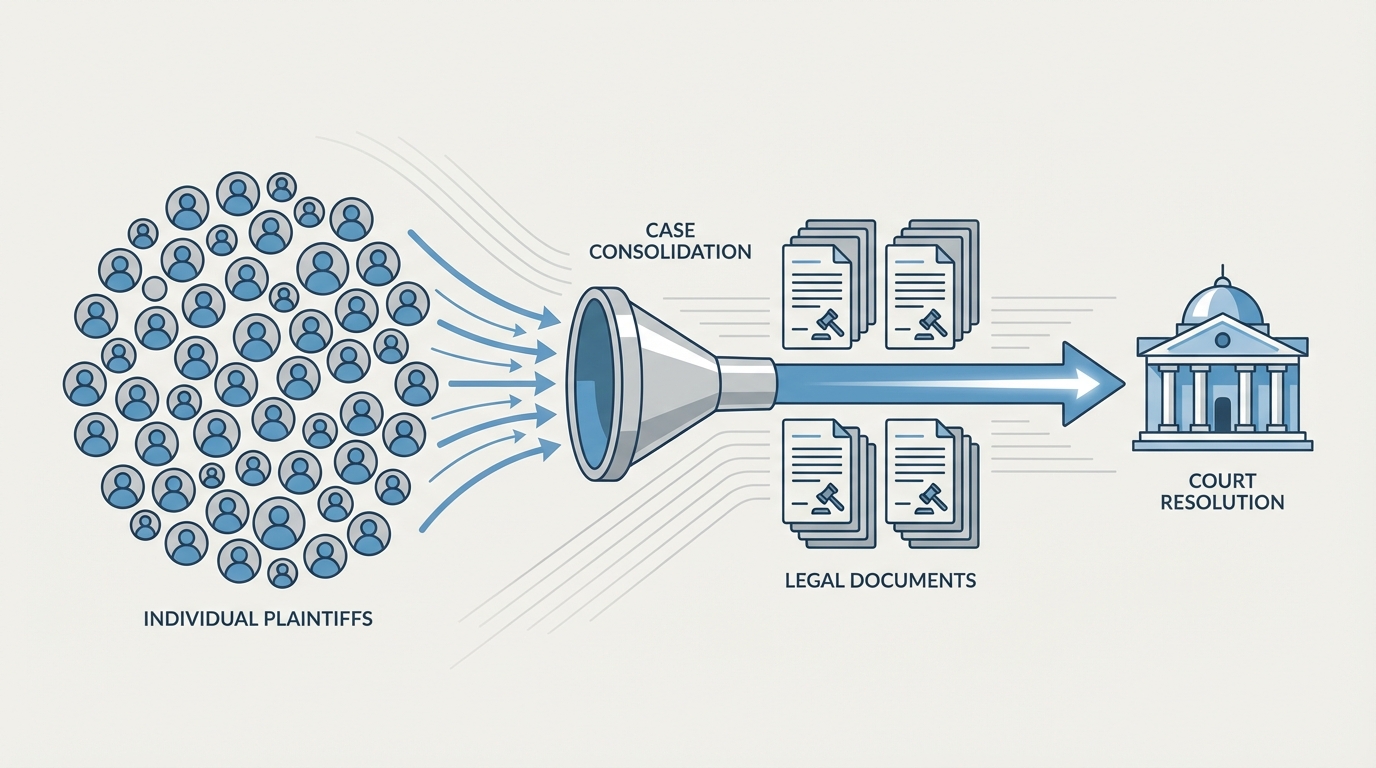
- Centralization and Coordination: A primary strategy is to consolidate similar lawsuits before a single judge or panel. This approach, common in multidistrict litigation (MDL), prevents duplicative discovery and inconsistent pretrial rulings. By centralizing case management, courts streamline document production, depositions, and expert testimony, which saves considerable time and resources.
- Efficiency and Proportionality: Mass litigation requires that judicial resources be used in proportion to what is at stake. This principle involves implementing case management orders that structure the litigation logically. For example, courts often focus on common issues of law and fact before addressing individual, plaintiff specific questions, ensuring the case moves forward effectively.
- Consistency and Fairness: A central goal is to ensure that similar claims receive similar treatment. Inconsistent outcomes across different courts can undermine public confidence in the legal system. Frameworks for mass litigation, such as those discussed by the American Law Institute, promote uniformity by centralizing key legal and factual decisions.
- Promoting Resolution: Ultimately, the objective is to facilitate a fair and timely resolution, often through settlement. Techniques like bellwether trials test legal theories and evaluate damages, providing crucial information to guide settlement negotiations. This focus helps avoid protracted litigation that can be draining for all parties.
Weighing the Pros and Cons of Mass Litigation Management
While mass litigation management offers a structured approach to handling complex cases, it is not without its own set of advantages and difficulties. The frameworks are designed to create efficiency and consistency, but they can also introduce procedural hurdles that impact the parties involved. Therefore, a balanced perspective is essential to understanding their true impact on the legal system. Evaluating both sides helps legal professionals anticipate potential issues and leverage the benefits effectively.
Key Benefits:
- Enhanced Efficiency: By centralizing numerous individual cases, courts can significantly reduce duplicative discovery, such as depositions and document requests. This consolidation streamlines pretrial proceedings and conserves judicial resources.
- Cost Reduction: For both plaintiffs and defendants, managing a single coordinated action is far more cost effective than litigating hundreds or thousands of separate lawsuits. This allows resources to be focused on resolving core legal and factual issues.
- Consistency in Rulings: A single judge overseeing a mass litigation ensures consistent rulings on key motions and legal questions. This consistency avoids the risk of contradictory outcomes that could arise if the same issues were decided by different courts.
- Facilitated Settlements: Centralized management often paves the way for global settlements. With key issues clarified and a clearer picture of potential liability, parties are often in a better position to negotiate a comprehensive resolution.
Inherent Challenges:
- Coordination Complexity: Managing thousands of claims requires immense logistical effort. It involves complex scheduling, communication between numerous law firms, and meticulous organization of vast amounts of evidence.
- Risk to Individual Autonomy: In consolidated proceedings, individual plaintiffs may feel they have less control over their own cases. Decisions made by lead counsel committees will bind all participants, which can sometimes conflict with individual interests.
- Barriers to Access to Justice: Certain case management tools, like Lone Pine orders, require plaintiffs to produce detailed evidence early in the litigation. While this filters out unsupported claims, it can also create significant burdens for plaintiffs who lack the initial resources to gather extensive proof, as highlighted by research from the Federal Judicial Center.
- Potential for Unfair Generalizations: Techniques like bellwether trials rely on a small, representative sample of cases to inform the value of all claims. If the selected cases are not truly representative, the outcomes could unfairly influence the settlement values for the broader group.
Technological Aids in Mass Litigation Management
Technology plays a crucial role in modern mass litigation management. Specialized software helps legal teams handle the immense volume of documents, track countless plaintiffs, and manage complex workflows. These tools are designed to streamline everything from initial case intake to eDiscovery and settlement distribution. Choosing the right platform is critical for maintaining efficiency and organization.
Below is a comparison of leading software solutions tailored for mass litigation, each offering distinct features to address different aspects of the case management lifecycle.
| Tool/Software | Key Features | Best For | Pricing Model |
|---|---|---|---|
| Relativity | eDiscovery, advanced analytics, predictive coding, customizable workflows. | Large law firms and enterprises needing a powerful, scalable eDiscovery platform for complex data. | Custom, often licensed through partners. |
| Casepoint | End-to-end eDiscovery, AI-powered analytics, cloud-based platform, legal hold. | Corporate legal departments and law firms looking for an integrated eDiscovery solution. | Subscription or per-matter pricing. |
| Everlaw | Collaborative document review, predictive coding, user-friendly interface, integrated case building tools. | Law firms of all sizes seeking an intuitive and collaborative platform for document-heavy cases. | Per-gigabyte or subscription-based. |
| Filevine | Case management, workflow automation, client communication, document assembly, mass tort-specific tools. | Plaintiff firms managing high volumes of mass tort cases from intake to settlement. | Per-user subscription. |
Best Practices for Implementing Mass Litigation Management
Successfully managing mass litigation requires more than just legal expertise; it demands a proactive and highly organized operational strategy. For law firms and corporate legal departments in Austria, implementing a robust framework is crucial for navigating these complex cases efficiently. Adhering to best practices not only enhances the chances of a favorable outcome but also ensures compliance with rigorous legal and ethical standards.
Establishing a Coordinated Case Strategy
A clear and centralized strategy is the bedrock of effective mass litigation management. This begins with internal organization and clear communication channels.
- Form a Dedicated Team: Assemble a core team with clearly defined roles. This group should include lead counsel, coordinating attorneys, paralegals, and technology specialists responsible for overseeing the litigation from start to finish.
- Develop a Communication Protocol: Create a clear communication plan for internal team members, co-counsel, and clients. Regular, structured updates prevent misinformation and ensure all stakeholders remain aligned on case progress and strategy.
- Standardize Processes: Implement uniform procedures for client intake, document collection, and evidence logging. Standardization is essential to maintaining control and consistency across hundreds or thousands of individual claims.
Utilizing Technology for Efficiency
Technology is an indispensable ally in managing the sheer volume of data and tasks involved in mass litigation.
- Invest in Appropriate Software: Select a case management platform designed to handle the scale of mass litigation. The right software helps automate workflows, manage deadlines, and securely organize vast amounts of data.
- Prioritize Data Security: Mass litigation involves sensitive personal and corporate information. Therefore, ensure all technological solutions comply with strict data protection regulations like the GDPR, which is critical in Europe.
- Use Analytics for Insight: Leverage data analytics to identify trends, assess the strengths and weaknesses of cases, and forecast potential outcomes. This data-driven approach supports more informed strategic decisions.
Navigating Austrian Legal Nuances
While international models provide useful frameworks, all strategies must be adapted to local legal realities.
- Ensure Regulatory Compliance: Strategies borrowed from other jurisdictions must be tailored to comply with Austrian civil procedure and data privacy laws. This includes regulations governing the collection and international transfer of client data.
- Consult Local Expertise: Engage with legal experts experienced in Austrian collective redress mechanisms. Their insight is invaluable for structuring the litigation in a manner that is both recognized and accepted by local courts.
- Maintain Ethical Standards: Uphold the highest ethical standards, particularly concerning client communication and fee structures, as stipulated by the Austrian Bar Association (Österreichischer Rechtsanwaltskammertag).
The Future of Mass Litigation Management
In conclusion, mass litigation management represents a critical evolution in civil procedure, offering indispensable strategies for handling the complexities of large scale disputes. The principles of centralization, coordination, and efficiency provide a necessary framework for achieving fair and consistent outcomes in an otherwise unmanageable legal landscape. While the benefits are substantial, they are balanced by significant challenges, including logistical hurdles and the need to protect individual claimants’ rights. As technology continues to advance and cross border disputes become more common, the future of this field will depend on adapting these frameworks to specific legal contexts like Austria. Therefore, it is imperative for legal professionals to embrace modern tools and best practices to ensure they can deliver justice effectively and equitably.
Frequently Asked Questions (FAQs)
This section addresses common inquiries regarding mass litigation management, providing clear and concise answers to help readers better understand its key aspects.
What is the main difference between mass litigation and a class action?
A class action is a single lawsuit where one or more named plaintiffs represent a larger group, or “class,” of individuals who have suffered a similar harm. The outcome of the lawsuit binds all class members unless they formally opt out. In contrast, mass litigation, such as a Multidistrict Litigation (MDL) in the U.S., involves consolidating hundreds or thousands of individual lawsuits for pretrial purposes like discovery and motions. Each plaintiff retains their own separate claim, which can be sent back to its original court for trial if it does not settle during the coordinated proceedings.
How does a bellwether trial work in mass litigation?
A bellwether trial is essentially a test case. From the large pool of individual claims, the court and the parties select a small, representative sample of cases to be tried before a jury. The purpose is to see how a jury reacts to the evidence and legal arguments. The verdicts and damage awards in these trials provide crucial information that helps both sides value the remaining claims, which often accelerates and guides global settlement negotiations.
Do individual plaintiffs lose control over their case in a mass litigation?
In a centralized proceeding, individual plaintiffs do cede some control. Key strategic decisions, such as those related to discovery, expert witnesses, and settlement negotiations, are typically handled by a court-appointed leadership group, often called a Plaintiffs’ Steering Committee. This committee acts on behalf of all plaintiffs to ensure a coordinated and efficient approach. While plaintiffs still have their own lawyers, they are bound by the broader decisions made by this committee.
Why are mechanisms like Lone Pine orders sometimes controversial?
Lone Pine orders require plaintiffs to provide specific evidence of their claims early in the litigation process. This can include detailed medical records or expert reports linking their injury to the defendant’s conduct. Proponents argue these orders are efficient because they filter out weak or unsupported claims. However, critics contend they can create a significant barrier to justice, as plaintiffs may lack the financial resources or time to gather such extensive proof so early, potentially leading to the dismissal of otherwise valid claims.
Are mass litigation frameworks applicable in the Austrian legal system?
While Austria does not have a formal MDL system like the United States, its legal system does provide for the consolidation of similar claims for efficiency. The principles of mass litigation management, such as coordination and centralization, are increasingly relevant due to the rise of collective redress actions in the European Union. Austrian courts can and do manage groups of related cases together, and legal professionals are adapting international best practices to fit within the national civil procedure framework.