The Rise of Deepfake Law: Navigating Legal Frontiers in the Age of AI
Deepfake technology has rapidly evolved from a niche curiosity into a mainstream phenomenon. Consequently, highly realistic, AI-generated videos and audio can now be created with alarming ease. This technology presents significant challenges to personal reputation, intellectual property, and even national security. As a result, the question of how to regulate this powerful tool is no longer theoretical but a pressing global issue.
The growing prevalence of synthetic media has sparked an urgent global conversation around the need for a comprehensive deepfake law. Existing legal frameworks, such as those for copyright and defamation, are struggling to keep pace with the technology’s rapid advancements. For example, a fake video can go viral in minutes, causing irreparable harm long before any legal action can be taken. This situation creates a critical need for new legislation specifically designed to address the unique problems posed by deepfakes.
This article will explore the complex legal landscape surrounding AI-generated content. We will examine the ongoing battles over digital replicas, focusing on how copyright, personality rights, and press law are being reshaped. Furthermore, we will delve into how courts and lawmakers are working to establish clear boundaries for the creation and distribution of synthetic media. The goal is to provide a clear understanding of the emerging legal precedents and regulatory trends in this critical area.
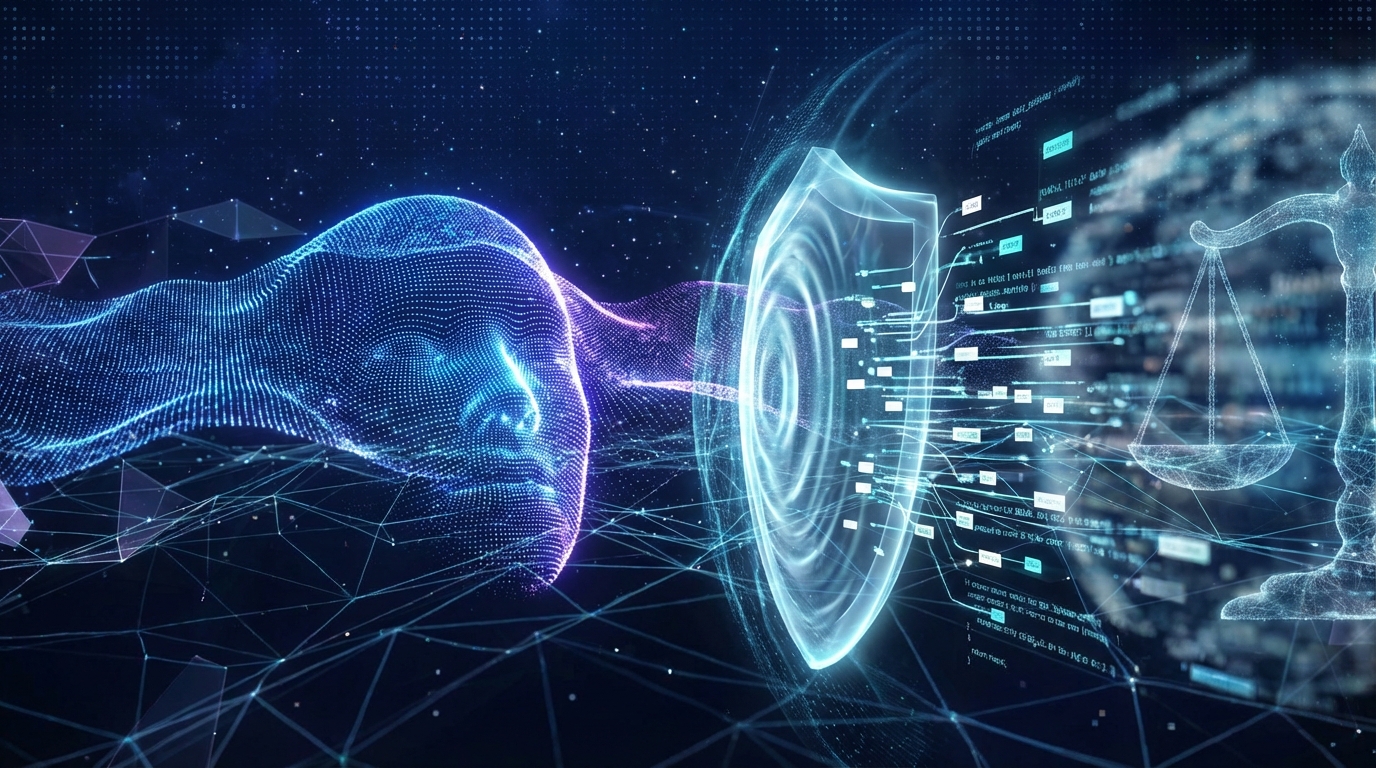
Understanding the Core Issues of Deepfake Law
Deepfake technology, a product of advanced artificial intelligence, uses deep learning models to create highly convincing fake videos, images, or audio. This digital manipulation involves overlaying a person’s likeness onto another individual or creating entirely new synthetic media. While this technology has creative applications, it also poses significant legal and ethical challenges. The core issue is that technology has outpaced the development of a specific legal framework to address its misuse.
Historically, laws governing defamation, impersonation, and copyright were not designed for the unique threats posed by AI generated content. Consequently, lawmakers are now scrambling to create a dedicated deepfake law to fill these critical gaps. The challenge lies in crafting legislation that protects individuals from harm without stifling innovation or infringing on free speech.
Key aspects of deepfake technology and its impact include:
- Accessibility: The tools for creating deepfakes are becoming more accessible. This means that nearly anyone with a computer can produce sophisticated synthetic media, increasing the potential for misuse.
- Malicious Applications: Deepfakes can be used for various harmful purposes. These include creating nonconsensual pornography, spreading political disinformation, committing financial fraud, and bullying or harassing individuals.
- Positive Uses: On the other hand, the technology has beneficial applications. It is used in the film industry for special effects, in education for creating interactive historical figures, and for developing accessibility tools for people with speech impairments.
The rapid evolution and dual use nature of this technology make regulation difficult. A balanced legal framework must therefore address consent, intent to cause harm, and the clear labeling of synthetic media to protect the public.
A Comparative Look at Global Deepfake Law
As deepfake technology becomes more widespread, countries around the world are developing legal responses. However, the approaches vary significantly, reflecting different legal traditions and priorities. The following table compares the emerging deepfake regulations in several key jurisdictions, highlighting the global effort to create a robust deepfake law.
| Jurisdiction | Key Legal Aspects | Scope & Enforcement | Penalties |
|---|---|---|---|
| United States | Primarily state-level laws targeting nonconsensual pornography and election interference. No comprehensive federal law is in place yet. | Enforcement is inconsistent across the country, relying heavily on state-specific laws and civil lawsuits initiated by victims. | Penalties vary by state but can include fines, civil damages, and criminal charges ranging from misdemeanors to felonies. |
| European Union | The EU AI Act mandates transparency. It requires that AI-generated or manipulated content, such as deepfakes, be clearly labeled. | The regulation applies to all providers of AI systems within the EU market. Enforcement is handled by designated national authorities in each member state. | Non-compliance can result in substantial fines, potentially up to €35 million or 7% of a company’s global annual turnover. |
| Austria | Follows the EU AI Act. In addition, existing national laws concerning defamation, copyright, and the right to one’s own image are applied to malicious deepfakes. | Enforcement is carried out by Austrian courts and data protection authorities, aligning with both EU and national legal frameworks. | Penalties are determined based on existing laws related to defamation, copyright infringement, and other relevant offenses. |
| United Kingdom | The Online Safety Act 2023 makes it illegal to share deepfake pornography without the consent of the person depicted. | The communications regulator, Ofcom, is responsible for ensuring that online platforms actively identify and remove illegal deepfake content. | Violations are treated as criminal offenses and may lead to prosecution and potential imprisonment. |
Challenges and Broader Implications of Deepfake Legislation
While creating a legal framework for deepfakes is a crucial step, enforcing it presents significant hurdles. The global and decentralized nature of the internet makes it incredibly difficult to identify and prosecute offenders who may operate from different jurisdictions. These regulatory challenges are compounded by the rapid spread of synthetic media across social networks and messaging apps.
The Enforcement Hurdle: A Global Problem
One of the primary difficulties in enforcing any deepfake law is jurisdiction. A person in one country can create a deepfake that harms someone in another, making legal action complicated and slow. Even with comprehensive regulations like those from the European Union, coordinating enforcement across borders is a formidable task. Moreover, major digital platforms struggle to moderate content at scale. By the time a harmful deepfake is identified and removed, it may have already been viewed by millions, causing irreversible damage.
Threats to Personal Privacy and Security
Deepfake technology poses severe privacy concerns. Malicious actors can scrape public images from social media to create nonconsensual pornography or defamatory content, effectively weaponizing an individual’s digital presence. Beyond personal harm, deepfakes threaten broader security. For example, they can be used to impersonate executives for financial fraud or to create false evidence in legal cases. This erosion of trust in digital media is a significant societal risk, as it becomes harder to distinguish fact from fiction.
Balancing Regulation with Freedom of Expression
Crafting legislation against deepfakes requires a delicate balance with the fundamental right to freedom of expression. Overly broad laws could stifle legitimate uses of synthetic media, such as in satire, art, or parody. Lawmakers must therefore carefully define what constitutes malicious intent to avoid chilling creative speech. This balancing act is a central debate in jurisdictions worldwide as they attempt to protect citizens from harm without imposing censorship.
The Future of Deepfake Law: A Call for Vigilance
The journey to regulate deepfake technology is just beginning. As artificial intelligence continues to advance, the challenges it poses to personal identity, privacy, and the very nature of truth will only intensify. The development of a clear and comprehensive deepfake law is not merely a legal formality; it is a critical necessity for a society struggling to distinguish reality from digital fabrication. Without robust legal frameworks, the potential for malicious use—from election interference to personal harassment—remains a significant and growing threat.
The global legal landscape is a patchwork of emerging regulations, reflecting a collective effort to catch up with technology. However, laws alone are not enough. Public awareness and digital literacy are equally important in building a resilient defense against disinformation. As this technology evolves, so too must our legal and ethical standards. The ongoing dialogue between lawmakers, technology companies, and the public is essential to crafting a deepfake law that is both effective and fair. Staying informed and advocating for responsible regulation is a shared responsibility in this new digital era. The fight to protect our digital identities requires constant vigilance and adaptation.
Frequently Asked Questions (FAQs)
What is deepfake law?
Deepfake law is not a single, unified statute but rather an emerging area of the legal system designed to address the challenges posed by synthetic media. It combines principles from existing laws—such as those governing defamation, copyright infringement, and the right to privacy—with new legislation created specifically to target the malicious use of deepfakes. The primary goal of this legal framework is to provide a basis for holding creators and distributors of harmful deepfakes accountable. As a result, it aims to protect individuals from digital impersonation, reputational damage, and other harms caused by manipulated content.
How does deepfake law protect individuals?
Deepfake laws protect individuals by establishing legal consequences for creating or sharing synthetic media without consent, especially when it is done with malicious intent. For example, these laws often criminalize the creation of nonconsensual deepfake pornography and provide victims with the ability to sue for damages. Furthermore, they address the unauthorized use of a person’s likeness, or digital replica, for commercial purposes or to spread disinformation. Regulations like the European Union’s AI Act also mandate that deepfakes be clearly labeled, giving people the information they need to identify manipulated content.
What penalties exist for creating or distributing malicious deepfakes?
Penalties for the misuse of deepfake technology vary significantly depending on the jurisdiction and the nature of the offense. In many regions, consequences can be severe. For instance, civil penalties often include substantial fines and financial compensation for the victim’s emotional distress and reputational harm. Criminal penalties are also common, especially in cases involving nonconsensual pornography or fraud, and can range from misdemeanor charges to felony convictions, potentially leading to imprisonment. The severity of the penalty typically depends on the intent of the creator and the level of harm caused.
What should I do if I become a victim of a harmful deepfake?
If you are targeted by a harmful deepfake, it is important to act quickly. First, document all available evidence, including screenshots of the content and any information about who created or shared it. Next, report the deepfake to the online platform where it was posted, as most major social media companies have policies against manipulated media and can remove it. Finally, you should seek advice from a legal professional specializing in media or technology law. A lawyer can help you understand your rights and explore options for legal action, such as filing a civil lawsuit or contacting law enforcement.
Are deepfake laws uniform worldwide?
No, deepfake laws are not uniform across the globe. The legal response to synthetic media differs significantly from one country to another, reflecting diverse legislative priorities and legal systems. For example, the European Union has adopted a comprehensive, risk-based approach with its AI Act, which includes strict transparency requirements for deepfakes. In contrast, the United States has largely relied on a patchwork of state-level laws, which often focus on specific issues like election interference or nonconsensual pornography. This lack of global consistency presents one of the biggest regulatory challenges in combating the spread of harmful deepfakes.
The information provided here constitutes general and non-binding legal information that makes no claim to be current, complete, or accurate. All non-binding information is provided exclusively as a public and free service and does not establish a client-attorney or consulting relationship. For further information or specific legal advice, please contact our law firm directly. We therefore assume no guarantee for the topicality, completeness, and correctness of the provided pages and content.
Any liability claims relating to damages of a non-material or material nature caused by the publication, use, or non-use of the information presented, or by the publication or use of incorrect or incomplete information, are fundamentally excluded, provided there is no demonstrable willful intent or grossly negligent conduct.
For additional information and contact, please refer to our Legal Notice (Impressum) and Privacy Policy.