
Navigating the New Reality: The Urgent Need for AI Deepfake Regulation
Artificial intelligence is rapidly reshaping the digital world. One of its most discussed creations is deepfake technology. These AI-generated videos and audio clips create highly realistic simulations of people’s likenesses and voices. While this technology offers creative possibilities, it also brings serious legal and ethical risks. Consequently, the rise of synthetic media has made the conversation about AI deepfake regulation more important than ever. The core issue involves using someone’s image, voice, or creative work without permission.
This situation creates a complex legal puzzle. For example, it challenges existing copyright laws when an AI perfectly mimics an artist’s style or a singer’s voice. It also raises questions about personality rights when a person’s face is used in a video without their consent, potentially harming their reputation or creating false endorsements. Moreover, the spread of misinformation through deepfakes tests the limits of press and media law. As a result, legal experts and policymakers are now working to figure out how to apply old rules to new problems and where new legislation is needed. This makes the regulation of AI deepfakes a pressing and dynamic legal issue.
Understanding the Core Concepts of AI Deepfake Regulation
To grasp the complexities of AI deepfake regulation, it is essential to understand the foundational terms and legal principles at play. This technology blurs the lines between reality and artifice, creating new challenges for existing legal frameworks. Therefore, a clear definition of key concepts is necessary before exploring the regulatory landscape.
- Deepfakes: These are hyper-realistic, AI-generated videos, images, or audio files. They are created using deep learning models, specifically generative adversarial networks (GANs), to superimpose existing visuals and sounds onto a source. As a result, they can realistically depict individuals saying or doing things they never did.
- Synthetic Media: This is a broader term that encompasses all forms of algorithmically created or modified content. While deepfakes are a prominent example, synthetic media also includes AI-generated music, text, and other forms of digital expression.
- Right of Publicity and Personality Rights: These legal principles protect an individual’s right to control the commercial use of their name, image, likeness, and voice. Deepfakes directly challenge these rights by enabling the unauthorized creation of endorsements or defamatory content.
- Copyright Infringement: This occurs when a copyrighted work is reproduced, distributed, or adapted without the owner’s permission. AI deepfakes can lead to infringement claims if they use protected source material, such as film footage or photographs, to train the AI or generate the final output.
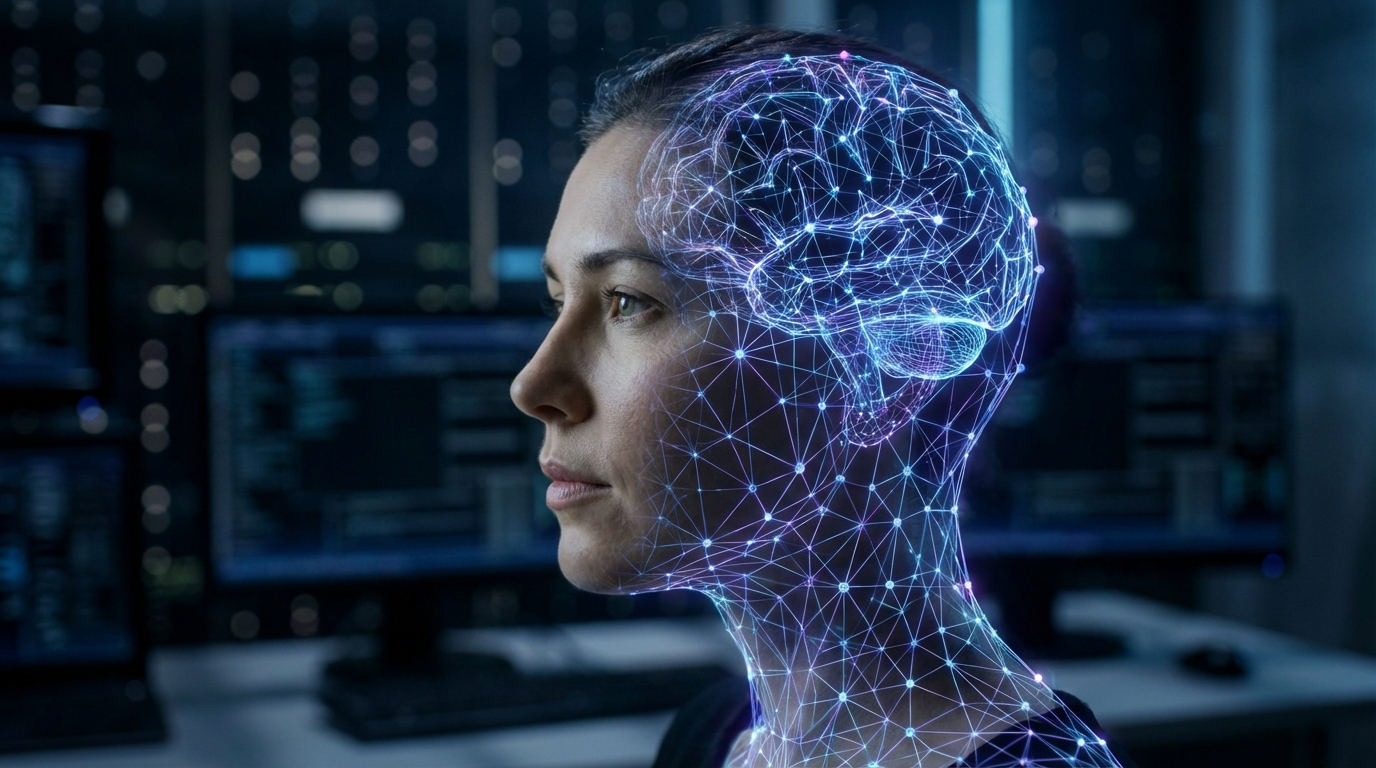
A Comparative Look at Global AI Deepfake Regulation
Regulatory responses to deepfake technology vary significantly across the globe. While some jurisdictions have enacted specific legislation, others rely on existing legal frameworks. The following table provides a comparative overview of the approaches in the European Union, the United States, China, and Austria.
| Jurisdiction | Key Legal Provisions | Enforcement Mechanisms | Challenges |
|---|---|---|---|
| European Union | The EU AI Act imposes transparency obligations, requiring clear labeling for AI-generated deepfakes. | National supervisory authorities; fines for non-compliance. | Balancing innovation with regulation; ensuring consistent application across member states. |
| United States | A patchwork of state laws targeting specific harms like non-consensual pornography or election interference. No comprehensive federal law exists yet. | State-level civil and criminal penalties; Federal Trade Commission (FTC) actions against deceptive practices. | Lack of a unified national standard; navigating First Amendment free speech protections. |
| China | Provisions on the Administration of Deep Synthesis require explicit user consent and conspicuous labeling of AI-generated content. | Cyberspace Administration of China (CAC) oversight; service provider liability and content removal. | Strict government control over information; potential for censorship. |
| Austria | Relies on existing laws, including the GDPR for data protection and the Austrian Copyright Act (§ 78 UrhG) for personality rights. | Data Protection Authority; civil court claims for damages and injunctions. | Applying decades-old legal principles to new technology; slow judicial process. |
The Major Hurdles in AI Deepfake Regulation and Enforcement
Effective AI deepfake regulation faces significant legal and practical obstacles. While policymakers are working to create frameworks, the nature of the technology itself presents unique difficulties. These challenges range from jurisdictional puzzles to fundamental questions about free speech, making enforcement a complex and often frustrating task. Consequently, regulators must navigate a landscape where technology rapidly outpaces legislation.
1. Cross-Border Enforcement and Anonymity
One of the most significant issues is the internet’s borderless nature. A malicious deepfake can be created in one country, hosted on a server in another, and viewed by a global audience. This makes it incredibly difficult to identify and prosecute offenders. For instance, if a defamatory deepfake targeting an Austrian citizen is created by an anonymous user in a jurisdiction with weak regulations, Austrian authorities have limited recourse. The anonymity tools available online further complicate efforts to trace the origin of synthetic media, allowing creators to evade accountability.
2. Balancing Free Expression with Harm Prevention
In many democracies, regulating content is a delicate balancing act. Laws must be carefully drafted to target malicious deepfakes—such as those used for fraud, defamation, or election interference—without stifling legitimate forms of expression like parody, satire, and artistic creation. The line between a harmful impersonation and a protected parody can be thin, creating a legal gray area that makes broad regulation problematic. Organizations like the Electronic Frontier Foundation often highlight the risk that overly broad laws could chill protected speech.
3. The Technological Arms Race
Regulation also struggles to keep pace with technological advancements. As soon as a new detection method or watermarking technology is developed, creators of deepfakes find ways to circumvent it. This constant “arms race” means that any legal or technical solution is likely to have a short shelf life. Because of this, enforcement agencies and platforms are perpetually one step behind, trying to address yesterday’s technology while new, more sophisticated methods of creating synthetic media emerge.
4. Proving Authenticity and Harm in Court
Finally, even when a creator is identified, legal proceedings present their own challenges. Authenticating digital evidence is a complex forensic task. Proving in court that a piece of media is a deepfake requires expert testimony and accepted technical standards, which are still evolving. Furthermore, quantifying the harm caused by a deepfake—whether reputational, financial, or emotional—can be subjective and difficult to demonstrate, making it harder for victims to obtain effective legal remedies.
The Unfolding Legal Frontier of AI Deepfake Regulation
The emergence of AI-generated deepfakes represents a pivotal moment for copyright, media, and personality rights. As this article has shown, the technology creates significant legal ambiguity, challenging established principles and forcing lawmakers to adapt. We have explored the fundamental concepts, from synthetic media to the right of publicity, and examined the diverse regulatory approaches taken by the EU, the US, and others. However, it is clear that no jurisdiction has found a perfect solution. The path to effective governance is filled with complex challenges, including cross-border enforcement, the protection of free expression, and a technological landscape that evolves at a breathtaking pace.
Ultimately, the ongoing development of AI deepfake regulation is not merely a niche legal debate; it is a societal necessity. Crafting balanced and enforceable rules is essential to protect individuals from reputational harm, prevent the spread of misinformation, and maintain public trust in digital content. The legal community, in collaboration with technologists and policymakers, has a critical role to play in navigating this new frontier. As deepfake technology becomes more sophisticated and accessible, the need for clear, robust, and adaptable legal frameworks will only grow more urgent, shaping the future of digital authenticity and personal identity.
Frequently Asked Questions (FAQs)
Are deepfakes illegal in Austria?
Not all deepfakes are illegal. However, their creation or distribution can violate existing laws. For instance, a deepfake could infringe on personality rights under the Copyright Act, breach GDPR data protection, or constitute defamation if it harms a person’s reputation. The specific context and intent are crucial in determining illegality.
How can I identify a deepfake?
While detection is becoming harder, look for tell-tale signs. These include unnatural eye movements, mismatched facial expressions, awkward head and body positioning, or distorted edges. Technical solutions like digital watermarking are also being developed to help verify the authenticity of media content.
How does the EU AI Act regulate deepfakes?
The EU AI Act emphasizes transparency. It mandates that most deepfakes must be clearly labeled as AI-generated. This ensures users know they are viewing synthetic media, which helps prevent deception and misinformation.
What steps can I take if I’m a victim of a malicious deepfake?
First, document the evidence by saving copies and taking screenshots. Next, report the content to the platform where it appears and request a takedown. Finally, it is important to consult a legal professional to explore options for civil or criminal action.
The information provided here constitutes general and non-binding legal information that makes no claim to be current, complete, or accurate. All non-binding information is provided exclusively as a public and free service and does not establish a client-attorney or consulting relationship. For further information or specific legal advice, please contact our law firm directly.
We therefore assume no guarantee for the topicality, completeness, and correctness of the provided pages and content. Any liability claims relating to damages of a non-material or material nature caused by the publication, use, or non-use of the information presented, or by the publication or use of incorrect or incomplete information, are fundamentally excluded, provided there is no demonstrable willful intent or grossly negligent conduct.
For additional information and contact, please refer to our Legal Notice (Impressum) and Privacy Policy.