Austria e-invoicing: Your Essential Guide for Business Success
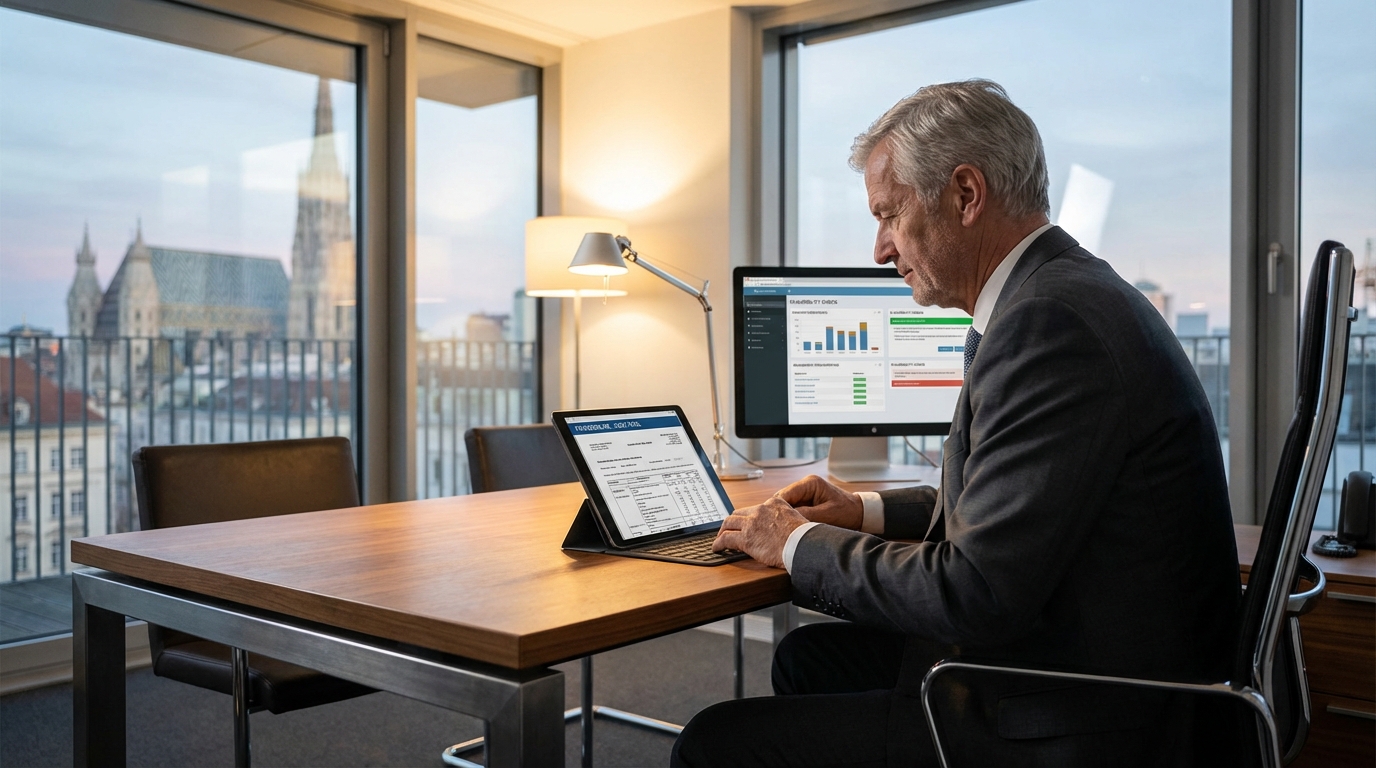
Austria’s business landscape is rapidly evolving with a significant push towards digitalization. Consequently, traditional paper-based invoicing is being replaced by more efficient electronic systems. This transition is central to the government’s strategy for modernizing tax compliance and administration. Therefore, understanding the new regulations for Austria e-invoicing is no longer optional but essential for all businesses operating within the country. The move aligns with broader European efforts to streamline commerce and enhance transparency in financial transactions, making it a critical topic for modern enterprises.
This guide provides a comprehensive overview of the critical aspects of Austria e-invoicing. We will explore the legal framework that underpins these changes and the specific requirements businesses must follow. Additionally, the article will detail the practical benefits of adopting e-invoicing, such as faster payment cycles and reduced administrative overhead. For many companies, this shift represents a significant operational change. As a result, this guide offers the essential knowledge to help your business navigate this transition smoothly and effectively, ensuring full compliance with the new digital standards.
Understanding Austria E-Invoicing and Its Legal Framework
Austria e-invoicing refers to the process of creating, sending, and receiving invoices in a structured digital format. Unlike a simple PDF, these are machine-readable documents that allow for automated processing. The legal foundation for this shift is rooted in both national and European legislation. A key driver was the EU Directive 2014/55/EU, which aimed to standardize electronic invoicing across the public sector in Europe to simplify cross-border trade. Consequently, Austria implemented national laws making electronic invoicing mandatory for certain transactions. This framework is a core component of modernizing Austrian tax law, increasing transparency, and reducing administrative burdens for both businesses and the government.
Key Compliance Requirements for Digital Invoices
For businesses supplying goods and services to federal government bodies in Austria, sending digital invoices is mandatory. While e-invoicing is not yet compulsory for all business-to-business (B2B) transactions, adhering to the established standards is highly recommended. Because the regulatory landscape is evolving, early adoption can provide a competitive advantage.
Key compliance points include:
- Mandatory B2G E-Invoicing: All invoices to the Austrian federal government must be submitted electronically.
- Structured Data Formats: Invoices must be in a specific structured format, such as ebInterface, the national standard, or PEPPOL BIS, which is used internationally.
- Submission Platform: E-invoices must be transmitted through the national Business Service Portal (Unternehmensserviceportal, USP) or a PEPPOL access point.
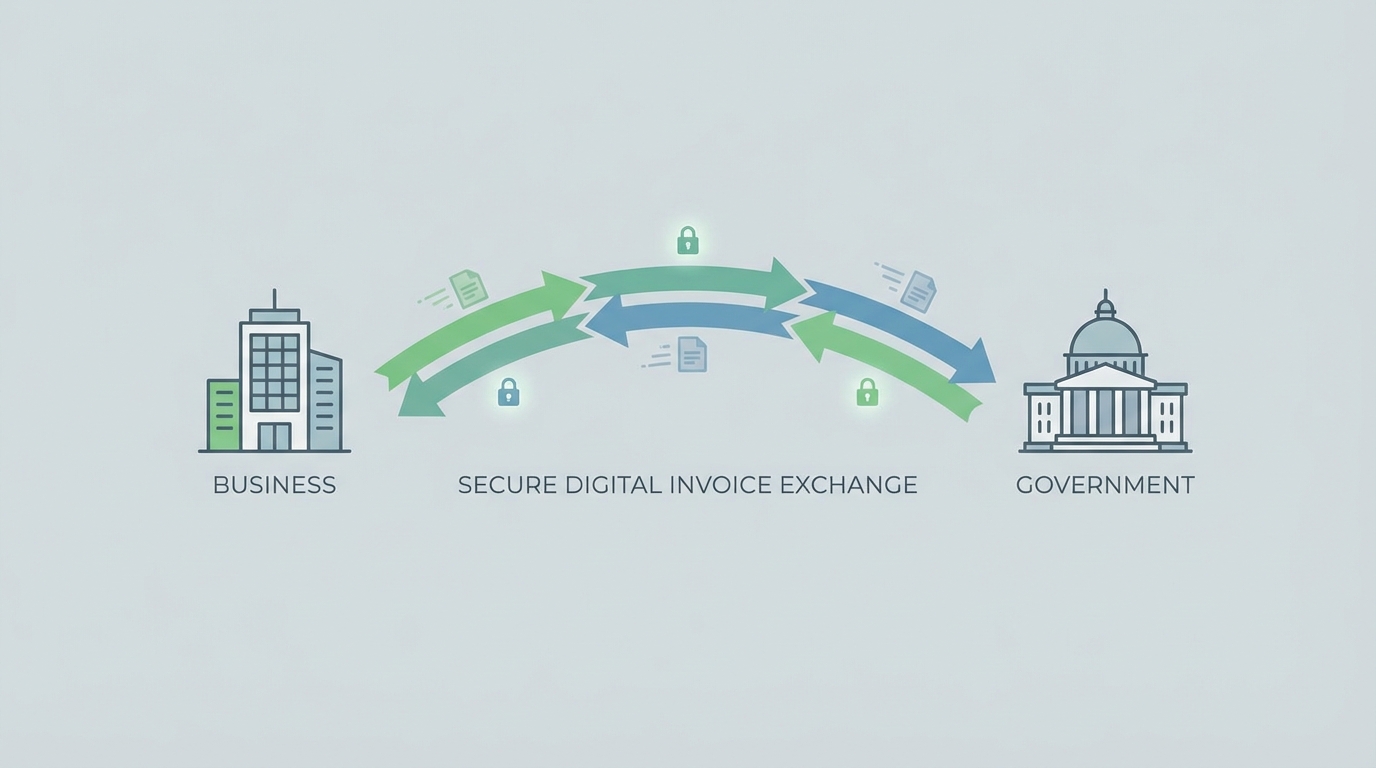
- Authenticity and Integrity: Businesses must ensure the authenticity of the origin and the integrity of the content of the e-invoice, often through electronic signatures or secure transmission protocols.
- Archiving: All electronic invoices must be securely archived in a readable format for a minimum of seven years, as required by Austrian law.
Benefits and Challenges of E-invoicing in Austria
The transition to Austria e-invoicing presents both significant opportunities and notable challenges for businesses. While the long-term benefits are substantial, companies must also navigate initial hurdles related to cost, technology, and training. Therefore, a clear understanding of this dual landscape is essential for effective strategic planning.
Key Advantages of Transitioning to Digital Invoices
Adopting e-invoicing can deliver a range of operational and financial benefits. These advantages are a primary driver for both government mandates and voluntary business adoption.
- Greater Efficiency and Cost Reduction: Automating the invoicing process dramatically cuts down on manual data entry, which in turn reduces labor costs and minimizes human error. Research highlights the financial impact; a comprehensive report from Sage shows that small companies can save thousands of euros annually by switching to e-invoicing. These savings come from reduced expenses on paper, printing, and postage, as well as more streamlined administrative workflows.
- Accelerated Payment Cycles: Because electronic invoices are delivered and processed almost instantly, they can be approved much faster than their paper counterparts. This acceleration directly shortens the payment cycle, leading to improved cash flow, which is a critical benefit for businesses of all sizes.
- Enhanced Compliance and Accuracy: Structured e-invoices ensure that all necessary data is included in the correct format, which improves accuracy and simplifies tax compliance. The digital audit trail also provides greater transparency, making it easier to meet the requirements of the Austrian tax law and respond to requests from tax authorities.
Navigating the Implementation Hurdles
Despite the clear benefits, businesses must prepare for potential challenges during the transition to a fully digital invoicing system.
- Initial Investment and Integration: Implementing an e-invoicing solution requires an upfront investment in new software. Furthermore, integrating this software with existing accounting or Enterprise Resource Planning (ERP) systems can be a complex technical task that may require specialized IT support.
- Employee Training and Change Management: Shifting from traditional to electronic invoicing involves changing established workflows. As a result, employees will need training to adapt to the new processes and software, making change management a critical component of a successful rollout.
- Data Security and Privacy: Transmitting sensitive financial information electronically requires robust security measures. Businesses must ensure their chosen platform protects against data breaches and guarantees the authenticity and integrity of every invoice to comply with data protection regulations.
| Feature | Traditional Paper Invoicing | Austria E-invoicing |
|---|---|---|
| Cost | – Higher costs due to paper, printing, and postage. – Manual processing increases labor expenses. |
– Significant cost savings by eliminating physical materials. – Automation reduces administrative overhead. |
| Speed | – Slow delivery times, dependent on postal services. – Manual processing and approval cycles cause delays. |
– Instantaneous transmission and receipt of invoices. – Automated workflows accelerate payment cycles. |
| Error Rate | – High risk of human error from manual data entry. – Difficult to track and correct mistakes efficiently. |
– Minimized error rates through automated data validation. – Errors are flagged instantly for quick correction. |
| Compliance | – Manual checks are required to ensure tax compliance. – Archiving is physical, cumbersome, and prone to loss. |
– Simplified compliance with structured data formats. – Secure digital archiving ensures a clear audit trail. |
| Environmental Impact | – High impact due to paper consumption and transportation. – Contributes to deforestation and carbon emissions. |
– Minimal environmental footprint with a paperless process. – Supports corporate sustainability goals. |
A Step-by-Step Guide to E-Invoicing Compliance in Austria
Achieving full compliance with Austria e-invoicing regulations requires a systematic approach. By following a clear set of steps, businesses can ensure they meet all legal obligations under Austrian law while avoiding potential penalties. This guide outlines the essential actions your business needs to take to transition smoothly and effectively.
-
Select Compliant E-Invoicing Software
The foundation of your e-invoicing process is the right software. Your chosen solution is critical for meeting technical standards. When selecting a provider, ensure the software can:
- Generate invoices in legally accepted structured formats, such as ebInterface or PEPPOL BIS.
- Integrate smoothly with your existing accounting or ERP systems to ensure seamless data flow.
- Offer features that guarantee the authenticity and integrity of the invoice data as required by law.
-
Register with the Business Service Portal (USP)
To submit e-invoices to federal government bodies, registration on the national Business Service Portal (Unternehmensserviceportal, USP) is mandatory. This platform acts as the central hub for B2G e-invoicing.
- First, you must complete the registration process for your company.
- Then, familiarize yourself with the submission methods, which can include manual upload, web forms, or direct system-to-system connections.
-
Implement Robust Data Security Protocols
Protecting sensitive financial data is a critical legal requirement. Therefore, your process must be secure.
- Ensure your e-invoicing process is secure from end to end, protecting against unauthorized access.
- Use methods like qualified electronic signatures or a secure network like PEPPOL to guarantee authenticity and integrity.
- Comply with all relevant data protection regulations, including the GDPR.
-
Maintain Compliant Digital Archives
According to Austrian law, businesses must archive all invoices for a minimum of seven years. As a result, proper archiving is crucial.
- Your digital archiving solution must store e-invoices in their original electronic format.
- The archive must be secure, unalterable, and easily accessible for the entire retention period.
- A complete and transparent audit trail is necessary to present to tax authorities upon request.
Embracing the Future of Invoicing in Austria
The shift to Austria e-invoicing marks a fundamental change in how businesses operate, moving from manual, paper-based systems to streamlined, digital workflows. As we have explored, this transition is driven by a clear legal framework and offers substantial benefits, including major cost savings, accelerated payment cycles, and enhanced tax compliance. While there are initial challenges to consider, such as software integration and employee training, the long-term advantages are undeniable.
For businesses in Austria, adopting e-invoicing is no longer just an option but a necessity for staying compliant and competitive. The mandate for B2G transactions is a clear indicator of the direction the entire economy is heading. Therefore, it is crucial for business leaders to act decisively. We urge you to review your current invoicing processes and begin planning your transition to a fully compliant digital system. By proactively embracing this change, you will not only meet your legal obligations but also position your business for a more efficient and profitable future.
Frequently Asked Questions (FAQs)
Is e-invoicing mandatory for all businesses in Austria?
Currently, Austria e-invoicing is only mandatory for businesses that supply goods or services to the Austrian federal government (B2G transactions). For business-to-business (B2B) transactions, it is not yet compulsory but is highly recommended. The trend across Europe suggests that a broader B2B mandate may be introduced in the future.
What is the deadline for implementing e-invoicing?
The requirement for B2G e-invoicing has been in place since January 1, 2014. Therefore, any business contracting with a federal government entity must comply immediately. There is no specific deadline for B2B adoption, but preparing in advance is a wise strategy to avoid future compliance issues.
What kind of software is required for Austria e-invoicing?
Businesses need software that can create structured e-invoices in legally recognized formats, such as ebInterface (the national standard) or PEPPOL BIS. Your software solution should also be able to transmit these invoices through the official Business Service Portal (USP). Many accounting and ERP systems now offer compliant modules.
Are there penalties for non-compliance?
Yes, for B2G transactions, non-compliance has consequences. Federal agencies will reject invoices that are not submitted electronically in the correct format. This rejection leads to significant payment delays and administrative burdens, which can negatively impact your company’s cash flow and business relationships.
What are the main benefits of adopting e-invoicing?
The key benefits are significant cost savings on paper, printing, and postage, along with faster invoice processing and payment cycles. Automation also reduces the risk of manual errors, simplifies tax compliance with a clear audit trail, and supports environmental sustainability by promoting a paperless workflow.
The information provided here constitutes general and non-binding legal information that makes no claim to be current, complete, or accurate. All non-binding information is provided exclusively as a public and free service and does not establish a client-attorney or consulting relationship. For further information or specific legal advice, please contact our law firm directly. We therefore assume no guarantee for the topicality, completeness, and correctness of the provided pages and content.
Any liability claims relating to damages of a non-material or material nature caused by the publication, use, or non-use of the information presented, or by the publication or use of incorrect or incomplete information, are fundamentally excluded, provided there is no demonstrable willful intent or grossly negligent conduct.
For additional information and contact, please refer to our Legal Notice (Impressum) and Privacy Policy.